

By Mardiyyah Adeola Salahudeen
Introduction
Female genital mutilation (FGM), also known as female circumcision (FC) or female genital mutilation/cutting (FGM/C) according to World Health Organization (WHO), is a traditional practice involving the partial or total removal of the external female genitalia for non-medical reasons. It is often carried out without consent and has no health benefits. In addition to short-term consequences such as severe pain, bleeding, infection, shock, and death, FGM leads to long-term health risks including infertility, childbirth complications, sexual dysfunction, and profound psychological trauma.
The World Health Organization (WHO) classifies FGM into four types:
- Type 1: This is also known as clitoridectomy and is the removal of the clitoral hood with or without removal of the entire clitoris
- Type 2: This is the removal of the clitoris and partial or total removal of the labia minora.
- Type 3: This involves removal of parts or the whole of the clitoris, labia minora and labia majora and stitching or narrowing of the introitus, with a very small outlet for passage of urine and menstruum. It is also known as Infibulation.
- Type 4: This includes all other harmful procedures to the female genitalia for non-medical purposes, such as pricking, piercing, incising, scraping and cauterizing the genital area. It also includes hymenectomy, cutting of the vagina and introduction of corrosive substances or herbs into the vagina to cause bleeding or to tighten or narrow the vagina.

Prevalence and Practice in Nigeria
Nigeria, with its large population, accounts for about one-quarter of the estimated 115–130 million circumcised women in the world. As of 2018, the national prevalence among women aged 15–49 was approximately 19.5%, with regional variations. The South East and South West zones report higher rates, with states like Imo recording rates as high as 61.7%. Despite a national decline from 29.6% in 2008 to 19.5% in 2018, FGM remains common among younger girls and is mostly performed by traditional practitioners lacking medical knowledge.
FGM is mostly carried out by traditional practitioners of FGM, who often lack complete knowledge of human anatomy and medical procedures. It is performed at varying age groups, from the first week of life, during infancy, before puberty, before the first childbirth and other periods in the woman’s life. It is usually performed individually but can be done in groups of girls or women.
Cultural and Social Justification
FGM is perpetuated by culture, social norms, ethnicity, and misconceptions about religion. Practiced among Muslims, Christians, and Jews in Africa, and in the majority of documented cases, it is usually family members such as mothers and grandmothers who perform FGM on their daughters and granddaughters. FGM is often believed to ensure virginity, which is deemed necessary for arranging marriage, securing a proper bride price and upholding family honour. It is also preconceived to increase sexual pleasure for men and increased fertility and ability to conceive for the women, as well as increasing the likelihood of the child’s survival. These beliefs are unfounded. Pressure from family and community, fear of social exclusion, and internalized stigma also drive the practice. Girls themselves may accept it as a rite of passage to avoid ridicule and secure social acceptance, thereby accepting the practice as normal and necessary.
Health and Psychological Consequences
FGM can cause chronic pain, menstrual issues, urinary problems, cysts, and childbirth complications. It also has a lot of psychological and social impacts which includes post traumatic stress disorder (PTSD), anxiety disorders, panic disorders, depression, sexual trauma and sometimes, attempted suicide.
Women with Type III FGM, in particular, usually have a more distressing psychosocial complication in relation to sexual problems and infertility with a documented infertility rate of 30%. The infibulated scar often hinders conception and sexual satisfaction within marriage which leads to unhealthy sexual relationships, fears of infertility, and challenges to male masculinity, thereby contributing to 16.3% of divorce and marital conflict among circumcised women, according to a study. The practice also strips girls of bodily autonomy and can foster deep emotional scars from betrayal and humiliation.
Conversely, in communities where female genitals are viewed as unclean or tempting, FGM can offer psychological relief to girls who are taught to celebrate the practice. Despite the pain, they feel cleansed, accepted, and marriageable thereby avoiding social ridicule and rejection.
Global Efforts and Advocacy
FGM is internationally recognized as a violation of human rights. Non-Governmental Organizations (NGOs) like WHO, United Nations International Children’s fund (UNICEF), Inter-African Committee on Traditional Practices Affecting the Health of Women and Children are leading global efforts through education, policy advocacy, and community engagement. The WHO’s Global Strategy to Stop Healthcare Providers from Performing FGM targets the growing issue of medicalization, where FGM is carried out by professionals in clinical settings, falsely giving it legitimacy.
Campaigns such as #EndFGM and the “International Day of Zero Tolerance for FGM” on February 6 help raise awareness. They highlight its impact and promote global solidarity. These initiatives stress that even when medically performed, FGM remains harmful and unethical.
The government also has a great responsibility in preventing FGM, in promoting its abandonment and holding those who perpetrate it responsible for inflicting harm on girls and violating the child or women’s rights.
Strategies for Prevention and Eradication
Eradicating FGM requires holistic approaches, including:
- Raising Awareness by Promoting widespread understanding of the harmful physical, psychological, and social consequences of FGM. Encourage open, informed conversations within communities to challenge cultural myths, dispel misconceptions, and shift attitudes toward protecting the rights and well-being of girls and women.
- Advocate for Policy Change by urging policymakers to enact, strengthen, and effectively enforce laws that criminalize FGM. Legal frameworks must reflect a firm commitment to protecting girls and women, holding perpetrators accountable, and ensuring that this harmful practice is eradicated at all levels of society.
- Support Survivors by offering comprehensive care covering their physical, psychological, and emotional well-being. Also, creating safe spaces for healing, providing access to medical and mental health services, and empowering survivors to share their stories and lead advocacy efforts for change.
- Religious leader involvement, especially in communities especially in communities where FGM is perceived as a religious obligation, to speak out against the practice. Their influence can help dispel religious misconceptions and foster community-wide rejection of FGM.
- Community-specific research within affected communities to gather baseline community information, detail human and material resources that are available for the control of FGM/C and determine the best methods of prevention in that community.
- Education and empowerment of women and girls with knowledge, skills, and opportunities that build confidence and independence. Empowerment through education enables them to make informed decisions, challenge harmful norms like FGM, and advocate for their rights.
- Trade substitution programs for FGM practitioners such as vocational training and alternative income opportunities can help dismantle the economic incentives that sustain the practice.
- Male allyship, since men who oppose FGM often recognize its physical, obstetric, psychological, sexuality and social consequences while those who support the practice generally deny the existence of these problems.
Medicalization of FGM
Medicalization of FGM involves performing FGM in clinical settings by healthcare providers, whether in a public or a private clinic, at home or elsewhere. Even when the procedure is performed in a sterile environment by a health care provider, it still causes harm, violates medical ethics, and undermines efforts to end the practice by conferring a false sense of safety and legitimacy.
Challenges to Eradication
The eradication of Female Genital Mutilation (FGM) is a complex and multifaceted challenge that requires a comprehensive approach.
Barriers include:
- Deep-rooted cultural beliefs and traditional values which can include the need for female cleanliness, protection of virginity, and the initiation into womanhood.
- Family and societal pressure to conform to traditional practices, often leading to continued practice.
- Conflicting religious interpretations.
- Patriarchal norms that reinforce women’s subjugation.
- Limited access to education, healthcare necessary for effective intervention in rural and marginalized areas.
- Logistical and financial barriers which limits the reach and impacts of grassroots efforts in rural areas.
Voices of Survivors:
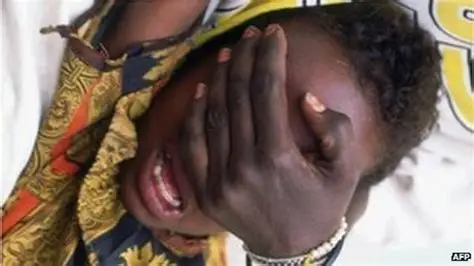
Leyla Hussein shares a deeply personal account of her experience with female genital mutilation (FGM), which she says was done to ensure she remained “pure” for her future husband. As a result, she has never enjoyed sex and grew up believing her body existed only to carry children. For her, FGM is not a cultural tradition but a form of child abuse.
On the day she was cut, Leyla was just seven years old. An eight-year-old girl explained what would happen, and Leyla was confused, remembering her mother once said no one should touch her body. She recalls hearing her sister scream from another room before being told it was her turn. She tried to run, but older women including relatives held her down. As she screamed in pain while her flesh was cut, the man performing it told her she was “naughty” and that it “doesn’t hurt.” She spent two weeks recovering, after which life resumed as if nothing had happened.
Leyla also narrated how her mother was cut twice after a neighbour said “not enough flesh” had been removed. She stresses that the focus should not be on types of FGM, but on the unacceptable violation of children’s genitals. She condemns how those performing FGM, even if doctors, are not labelled as paedophiles. Leyla believes the world has largely ignored FGM because it predominantly affects Black girls and there would be global outrage if white girls were affected. “We can’t say every child matters and then pick which ones do,” she says. For FGM to end, she insists, all forms of oppression must be addressed.
Oiyie, a young girl from Narok, Kenya, resisted FGM at age 10. Her teacher intervened, and police rescued her just hours before her cutting ceremony. Despite facing family rejection and emotional trauma, she completed her education and now works with an anti-FGM board, raising awareness in Maasai communities. Oiyie dreams of building a free school for girls and advocates for inclusive support for young mothers and married girls. Her story underscores the need for accessible education, community dialogue, and systemic change.
Oriyomi, a trader from Oke-Imale, stands firmly against female genital mutilation (FGM) because she experienced it firsthand. As a teenager, she suffered intense menstrual pain, including backaches and stomach aches. Later, during childbirth, she faced prolonged labor and was informed at the hospital that FGM was the cause. Her painful experience has made her a strong advocate against the practice. She urges parents and guardians to protect girls from FGM and spare them from the lifelong physical and emotional consequences it brings.
Conclusion
FGM is a deeply entrenched cultural practice with no medical benefits and devastating consequences. It violates multiple human rights and requires unified global, national, and grassroots efforts to eradicate.
At ACES Africa, we recognize that the fight against female genital mutilation (FGM) requires a culturally informed, community-driven approach that centres girls’ rights and wellbeing. In response to the deep-rooted social, religious, and gender dynamics sustaining FGM, our team can focus on empowering at-risk communities through education, storytelling, and advocacy. We can amplify survivor voices like Leyla, oriyomi and Oiye’s and humanize the issue thereby sparking dialogue, while building alliances with schools, religious leaders, local champions, and health professionals to dispel myths and offer safer alternatives. We can also invest in grassroots research to understand community-specific drivers of FGM and collaborate on sustainable solutions such as free girls’ education, economic empowerment of families, and targeted media campaigns. Ultimately, our work must challenge harmful norms, shift power, and promote a culture where every girl is safe, heard, and free.