

By Onaho Pascal
Mental health is often described as the invisible foundation of overall well-being. While adults’ mental health gets more recognition, the reality is that children and adolescents form one of the most vulnerable groups when it comes to psychological well-being. Rarely do we stop to ask: how are our children doing emotionally and mentally? Unfortunately, in a conservative society like Nigeria, child and adolescent mental health remains one of the most overlooked aspects of healthcare. It is either dismissed as “bad behavior,” misinterpreted as laziness, or, worse still, attributed to spiritual problems. This silence comes at a great cost not only to the individual child, but to the nation’s future.
What we often miss about Child Mental Health
Children are not just small adults. In fact, they are not adults at all, making it very crucial in taking their mental health seriously. Their minds are still forming, their emotions are fragile, and their ability to process life’s challenges is limited. Family stress, poverty, bullying, academic pressure, or trauma can easily destabilize their sense of self.
According to pyschology studies, mental health challenges in children often present as:
– Persistent sadness or withdrawal
– Extreme worry or fear
– Difficulty concentrating in class
– Aggressive or defiant behavior
– Struggles with learning or communication
Too often, these signs are ignored or misunderstood, leaving children to suffer in silence. Left unaddressed, these struggles don’t magically disappear, instead they grow into deeper problems that follow them into adulthood. These disorders affect both childhood and adulthood, with mental health challenges often continuing later in life. During childhood, the consequences are wide-ranging, causing personal distress for the child while also placing strain on their families and influencing their peers negatively.
A broken adult may or may not have been a broken child, but a broken child almost definitely becomes a broken adult.
Why early detection matters
Children’s health is strongly shaped by the well-being of their caregivers, the environments they grow up in such as home and school, and as they enter adolescence, the influence of their peers (Scott et al., 2016). Therefore, the earlier a child’s struggles are recognized, the easier it is to offer support. Early interventions help children focus better in school, build stronger relationships, and develop resilience. More importantly, they prevent small cracks from widening into long-term disorders. This is why awareness is everything. Children need safe spaces to express themselves, and teachers and parents need the tools to recognize when something is wrong.
Barriers in Nigeria
There are several barriers and obstacle that prevent the discussion of child mental health in Nigeria. These barriers are a mix of cultural, structural, and systemic factors. They include:
Stigma and Silence – Mental health challenges are often labeled as weakness, laziness, or spiritual problems.
Lack of Infrastructure – Few schools integrate mental health education or counseling.
Cultural Conservatism – Conversations about mental health are seen as “foreign” or unnecessary.
Shortage of Professionals – Nigeria has a very low ratio of child psychologists or counselors to its population. (Wada et al., 2021)
Our Experience at Aces Africa
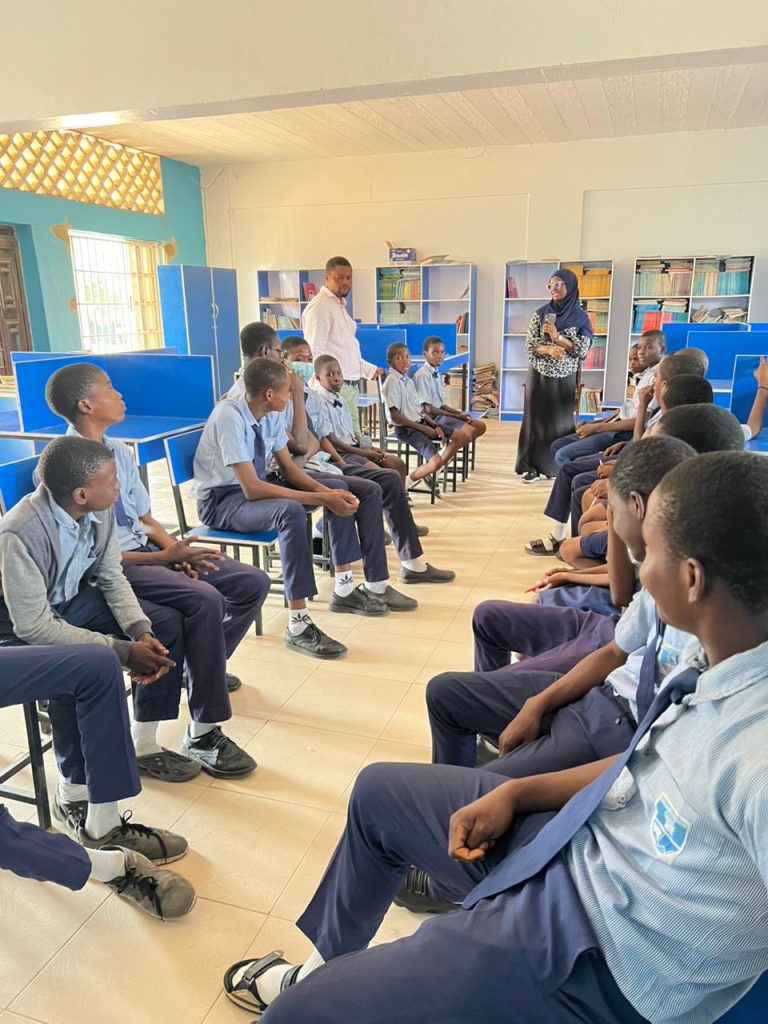
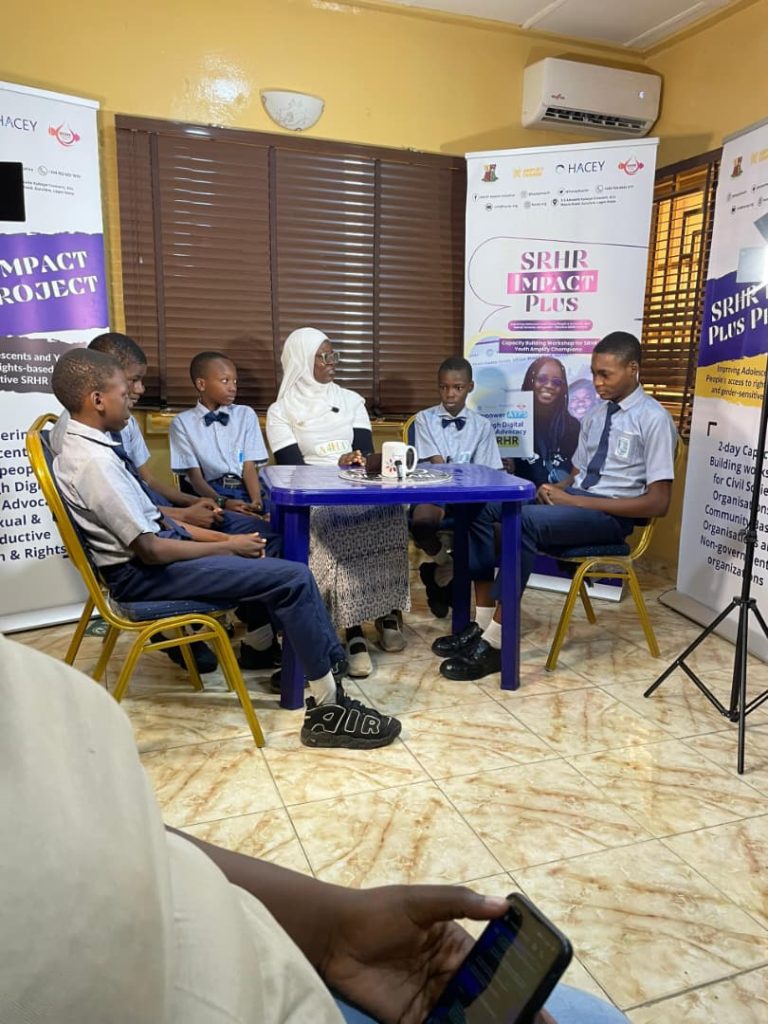
At ACES Africa, we believe that children’s mental health cannot be left to chance. Last year, our team embarked on a project in two public schools in Ibadan to address this silent crisis. The project had three main goals:
1. Raise awareness among students and teachers about mental health.
2. Introduce detection tools that could flag early signs of distress.
3. Equip teachers with the confidence to support students beyond academics.
The results were eye-opening.
In one school, a teacher shared that she had always considered a particular student “lazy and unserious.” During our sessions, she realized the child was actually showing signs of depression. In another, a student confided perhaps for the first time that he often felt overwhelmed by sadness but never knew it was something he could talk about.
These moments reinforced something powerful: children want to talk. All they need is the right environment and adults who are ready to listen.
Lessons We Learned
1. Children are eager for safe spaces. Given the chance, they will open up.
2. Teachers are the first line of defense. With the right knowledge, they can spot early warning signs.
3. Community support is vital. Parents, schools, and communities must all work together for lasting change.
4. Sustainability is key. One-off interventions make a difference, but systemic integration is what will transform lives.
Why Nigeria Must Act Now
Nigeria is a young country, with children and adolescents making up a huge part of its population. If we ignore their mental health, we are laying a shaky foundation for our future.
The stigma surrounding mental health needs to be broken. Schools should integrate mental health education. Policymakers should prioritize training and hiring of child psychologists. Communities should be encouraged to talk openly about these issues.
It is not enough to say, “children are our future.” We must prove it by protecting their mental well-being today.
A Call to Action: Building a “Mentally” Healthier Tomorrow
Addressing child mental health in Nigeria requires more than sympathy, it demands deliberate action. While the barriers are real, they are not insurmountable. By combining awareness, education, supportive systems, and policy reforms, we can begin to create an environment where every child’s emotional and psychological well-being is valued. The journey starts with practical steps that families, schools, communities, and government can take today.
Awareness and Public Education: Nationwide campaigns in schools, media, and communities can normalize conversations around mental health, helping to reduce stigma and encourage families to seek help.
Integration into Schools: Introducing mental health clubs, awareness weeks, and basic counseling services ensures that issues are identified early in the environment where children spend most of their time.
Training Teachers and Caregivers: Equipping adults with skills to recognize and respond to emotional struggles allows them to guide children with empathy instead of punishment or misinterpretation.
Child-Friendly Mental Health Services: Establishing counselors in schools, youth centers, and hospitals provides children with timely and accessible support, preventing issues from escalating.
Policy and Government Action: Enforcing the National Mental Health Act with child-specific provisions and allocating funds ensures mental health is treated as a priority rather than an afterthought.
Partnerships with Religious and Community Leaders: Engaging trusted leaders in advocacy makes it easier to challenge stigma and encourage families to embrace professional mental health support.
Peer Support and Child Participation: Creating safe peer clubs and mentorship programs allows children to express themselves freely and feel less isolated in their struggles.
Research and Data Collection: Conducting national surveys and screenings provides reliable data to guide policies and target interventions where they are needed most.
Affordable Access and Insurance Coverage: Including child mental health in national health insurance makes professional help accessible to families that cannot afford private care.
Leveraging Technology: Developing apps, hotlines, and digital platforms gives young people confidential and convenient ways to access information and support.
Our work at ACES Africa is only a drop in the ocean, but it showed us what is possible when conversations are started. Every child deserves to grow up in an environment where their struggles are not silenced but supported. Mental health is not a Western concept, nor is it a luxury. It is a basic necessity just as important as food, shelter, and education. If we want a healthier, stronger Nigeria, we must begin by nurturing the minds of our youngest citizens.
The time to act is now. Because behind every child’s smile could be a silent battle, and it is our collective responsibility to ensure they do not fight it alone.
References
Scott JG, Mihalopoulos C, Erskine HE, et al. Childhood Mental and Developmental Disorders. In: Patel V, Chisholm D, Dua T, et al., editors. Mental, Neurological, and Substance Use Disorders: Disease Control Priorities, Third Edition (Volume 4). Washington (DC): The International Bank for Reconstruction and Development / The World Bank; 2016 Mar 14. Chapter 8. Available from: https://www.ncbi.nlm.nih.gov/books/NBK361938/ doi: 10.1596/978-1-4648-0426-7_ch8
Wada, Y. H., Rajwani, L., Anyam, E., Karikari, E., Njikizana, M., Srour, L., & Khalid, G. M. (2021). Mental health in Nigeria: A Neglected issue in Public Health. Public health in practice (Oxford, England), 2, 100166. https://doi.org/10.1016/j.puhip.2021.100166